 Pachena
• Overspending began under Mugabe and ballooned under Mnangagwa.
• For many years, Treasury ran two budgets: one Parliament approved, and the other nobody saw.
• Now, eleven years down the line, MPs are being asked to sign off the hidden one, no questions asked.
By Brenna Matendere
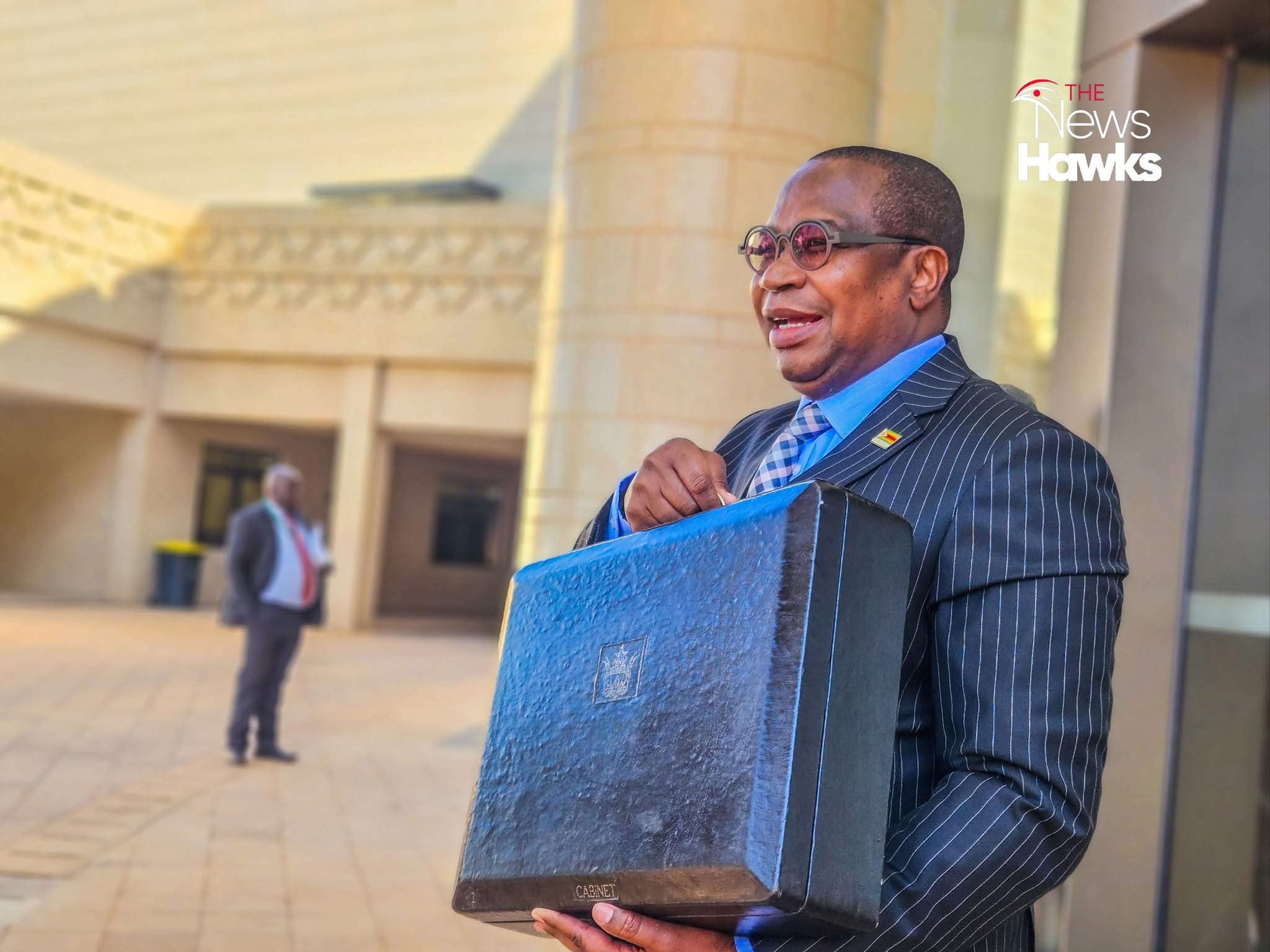
Finance Minister Mthuli Ncube is asking Parliament to rubberstamp a staggering US$9.64 billion that successive Zimbabwean governments spent without legal authority between 2015 and 2018.
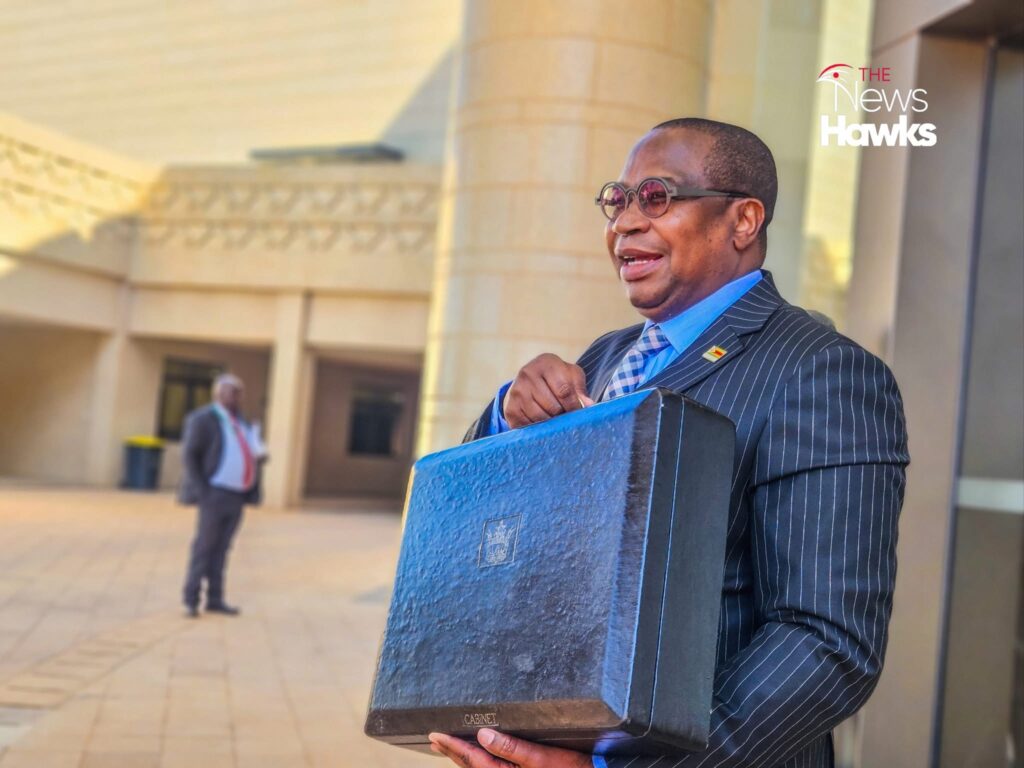
He is not telling MPs, or the public, how the money was used.
The Financial Adjustments (No. 2) Bill, 2026, recently tabled in the National Assembly, asks lawmakers to condone overspending that straddles the last years of former President Robert Mugabe’s rule and the first years of the incumbent Emmerson Mnangagwa’s.
The sums are staggering for a country whose national budget hovered around US$4 billion for most of that period. Taken together, the unauthorised spending equals more than half of everything Parliament approved over the four years.
A second budget, run in secret
The Bill lists US$25.3 million for 2015, US$1.49 billion for 2016, US$4.56 billion for 2017 and US$3.56 billion for 2018.
In 2016, government spent 37 percent more than its US$4 billion budget. In 2017, the year the army removed Mugabe, the excess hit US$4.56 billion. That is more than the US$4.1 billion budget Parliament passed. In effect, Treasury ran two budgets that year, but only one of them was public.
The 2018 election year added another US$3.56 billion, or 62 percent on top of a US$5.74 billion budget.
Born under Mugabe, fattened under Mnangagwa
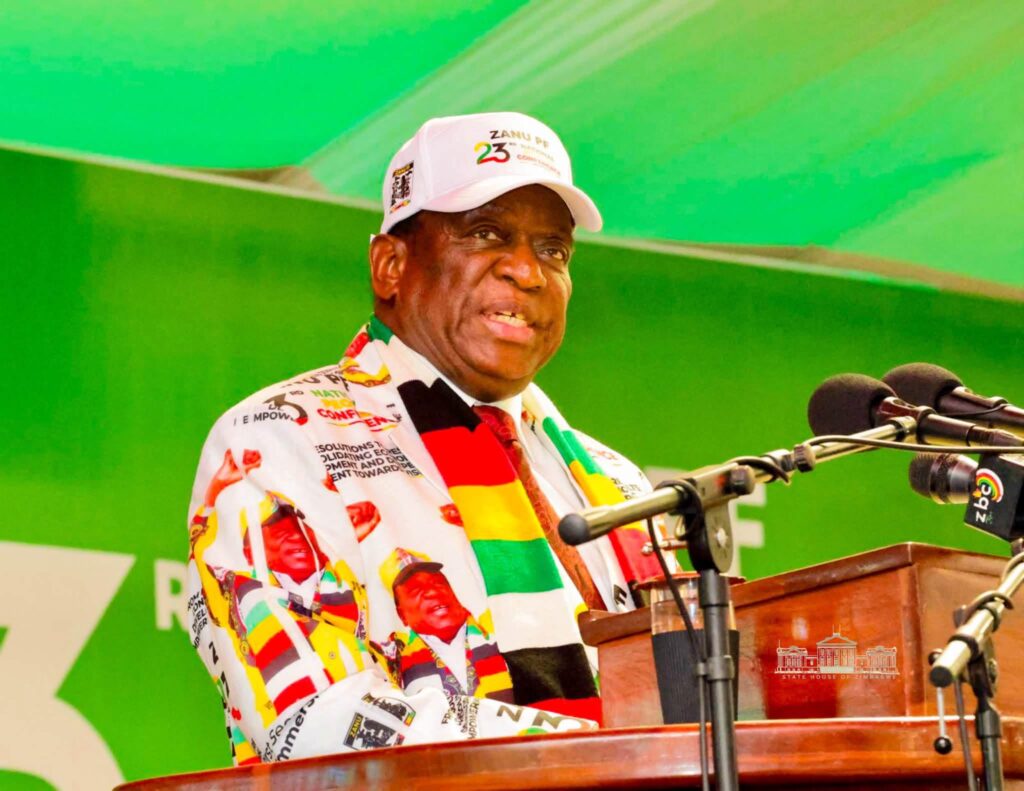
The rot did not start with the 2017 coup.
It began under Mugabe, with Patrick Chinamasa at Treasury and the bill jumped from US$25 million in 2015 to nearly US$1.5 billion a year later.
What the ‘new dispensation’ changed after the November 2017 advent of President Mnangagwa was the scale of unauthorised and unbridled spending. Chinamasa, briefly replaced by Ignatius Chombo in late 2017, returned under Mnangagwa and ran the ministry until Ncube took over in September 2018.
Four numbers, Zero explanations
The Bill’s memorandum is barely a page long. It cites section 307 of the Constitution and lists four figures. It says nothing about which programmes, contracts or people got the money.
That is a step backwards. When Ncube first gazetted a version of this Bill in November 2019, it at least broke the spending down by ministry. Agriculture alone accounted for US$5.2 billion during the Command Agriculture years, the Office of the President and Cabinet for US$224 million and Defence for US$480 million, according to legal watchdog Veritas.
That Bill lapsed in October 2020. The new one books the entire US$9.64 billion to the Ministry of Finance, wiping out even that thin paper trail.
It is also years out of time. Section 307 says condonation must be sought no later than 60 days after the extent of unauthorised spending has been established.
Auditor-General warned, nobody acted
The Auditor-General has flagged reckless spending year after year. In her audit of 2017 accounts, then Auditor-General Mildred Chiri found that “the unsupported total expenditure was $27,1 million”. She could not ascertain the nature of payments.
For 2019, she reported that “Treasury incurred unauthorised excess expenditure amounting to ZW$6 806 340 654” in local currency, against “the approved budget of ZW$580 655 000”.
Her reports were tabled, debated and shelved.
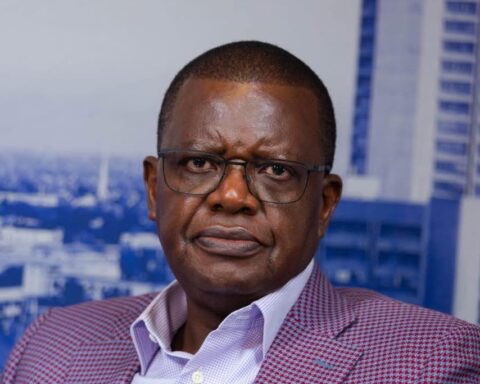
Edwin Mushoriwa, the Dzivarasekwa MP and long-serving opposition legislator who sits on Parliament’s Public Accounts Committee (PAC), said lawmakers share the blame.
“It shows that the public finance management system in this country leaves a lot to be desired,” he said. “Parliament is supposed to carry the oversight role, so we also failed the nation.”
Corban Madzivanyika, a veteran trade unionist and CCC MP for Mbizo in Kwekwe, wants an independent audit first.
“As Parliament, we need to have an itemised breakdown of how that money was used. Was the money used for programmes and projects of a public character?” he said. “I’m very much uneasy and I don’t think I will support the condonation of these amounts.”
PAC chairperson Caston Matewu, the Marondera Central MP who has sat on the committee since 2018, did not respond to questions from Pachena.
Their objections may count for little. Zanu PF has held a two-thirds majority in the National Assembly since February 2024 by-elections, which followed the recall of opposition MPs by self-proclaimed CCC secretary-general Sengezo Tshabangu. The ruling party also dominates the Senate. With the opposition broken into factions, the executive faces little resistance in either house.
The Bill now needs only a vote. Without a forensic audit, MPs will be signing off nearly US$10 billion that has never been accounted for. They will also be telling Zimbabweans, once again, that the budget they approve is optional.