 Pachena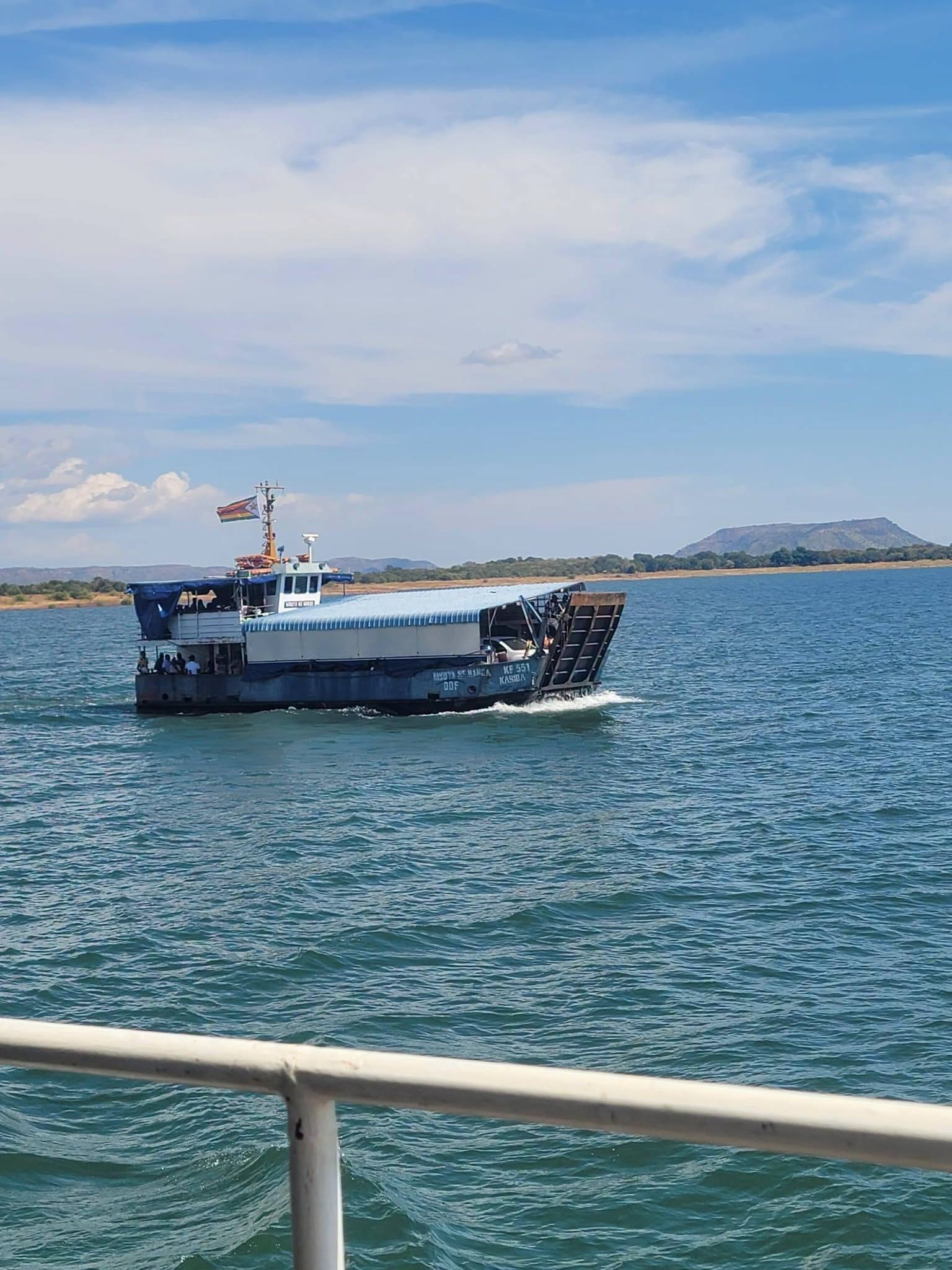
By Brenna Matendere
• RIDA’s Kariba District Accountant, Artwell Madapandu has been fired over the Kariba ferry disaster with hearings for other staff members continuing.
• An internal probe blamed overloading and bad weather for the disaster but ignored engineers’ warnings about the ferry’s stability.
• RIDA ran the probe and acted on it while a Commission of Inquiry announced by Cabinet is still pending.
• A crew member and survivors told investigators that a tender boat would have saved more lives.
• RIDA Director General Christopher Shumba appointed the investigators and signed the dismissal. He was never investigated.
MORE than a month after the Mbuya Nehanda ferry sank on Lake Kariba killing 97 people, the first head has rolled at the Rural Infrastructure Development Agency (RIDA) with more set to go.
Artwell Madapandu, the agency’s Kariba District Accountant, has been fired. A disciplinary committee found that he failed to put in place controls that could have stopped the ferry from being overloaded on 11 August, when it capsized killing 97 people while 77 were rescued.
Government said the boat had capacity to carry a total of 95 passengers and crew members although there were at least 174 people on board, when disaster struck.
His dismissal follows an internal investigation that RIDA carried out quietly.
The investigation committee was chaired by Learnson Tagara, Chief Director of Human Resources in the Ministry of Local Government.
The other members were Dr Wadzanayi Kachere, Chief Director of Presidential Scholarships in the Office of the President and Cabinet and Patricia Mafusire, Director of Finance in the Ministry of Youth. RIDA’s Director of Human Resources, Dr N. Chikokoko, served as secretary and compiled the minutes.
The probe also recommended disciplinary action against District Coordinator Ignatius Chiome, the head of station. It found his share of the blame “meaningful but not exclusive.”
It also recommended that another RIDA official Jimmy Walter Gombarashama, who issued tickets on the day in question, be charged for “deliberately causing overloading.” Gombarashama was the second captain on the ferry.
RIDA Director General Christopher Shumba told Pachena in an interview on Sunday 27 that both Chiome and Gombarashama have been charged.
“Misconduct charges have been laid on Chiome and Gombarashama, but the disciplinary proceedings are yet to be concluded. The delays in concluding their cases are because of their lawyers who have been asking for postponements of the proceedings thereby slowing down the wheels of justice from turning. However, the cases will eventually be concluded,” he said.
The government `announced that a Commission of Inquiry would investigate the tragedy but is yet to act. RIDA’s internal probe however blames two things; too many people on board and bad weather. It leaves out much of what Pachena uncovered in its investigation, The Warnings Zimbabwe Ignored: How the Mbuya Nehanda Sank, Killing 97.
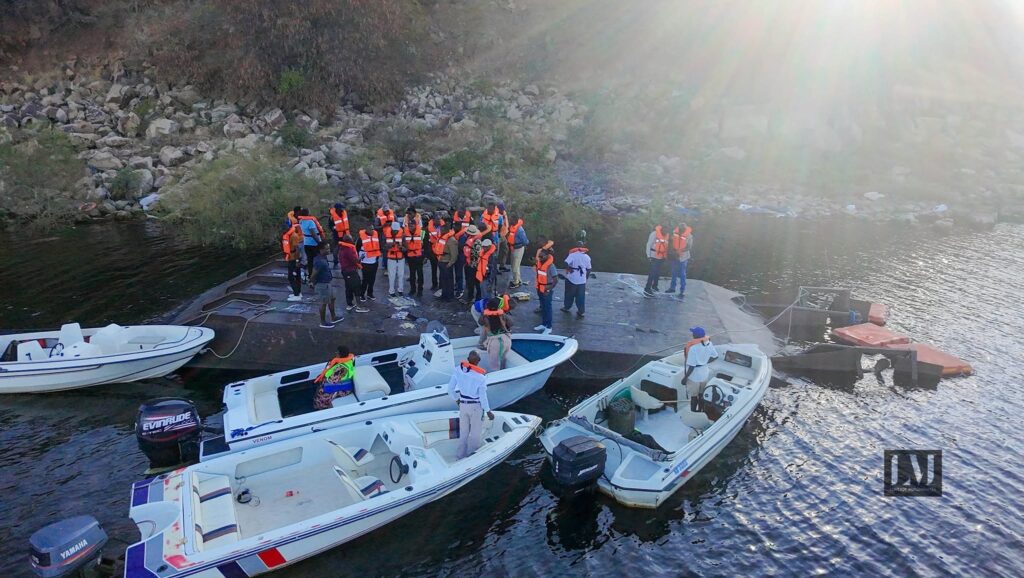
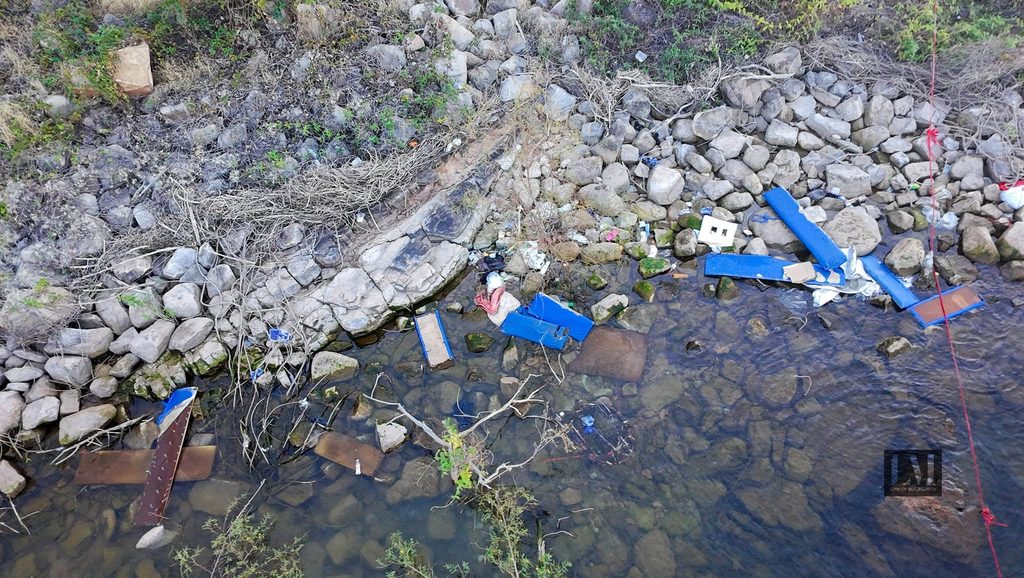
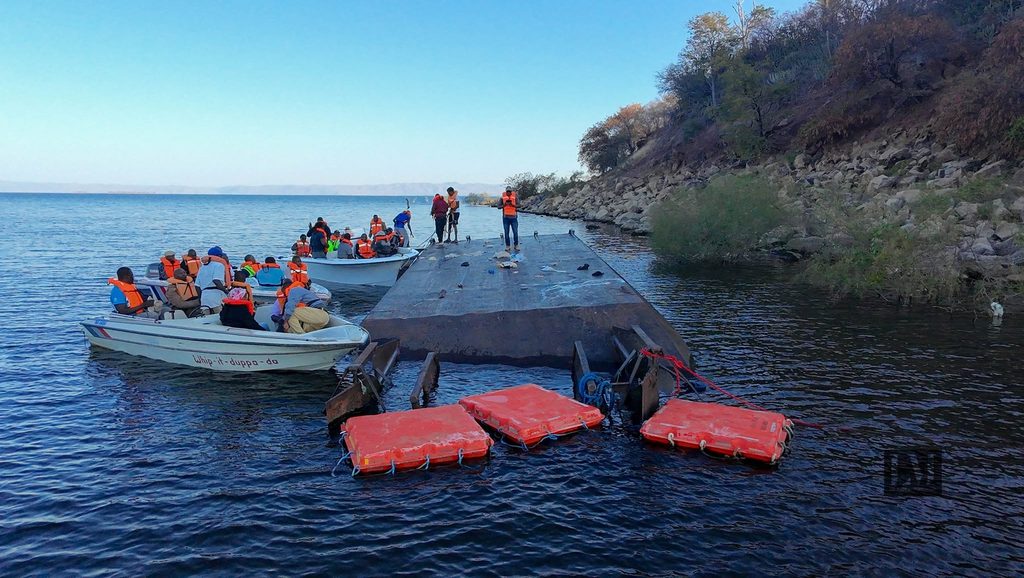
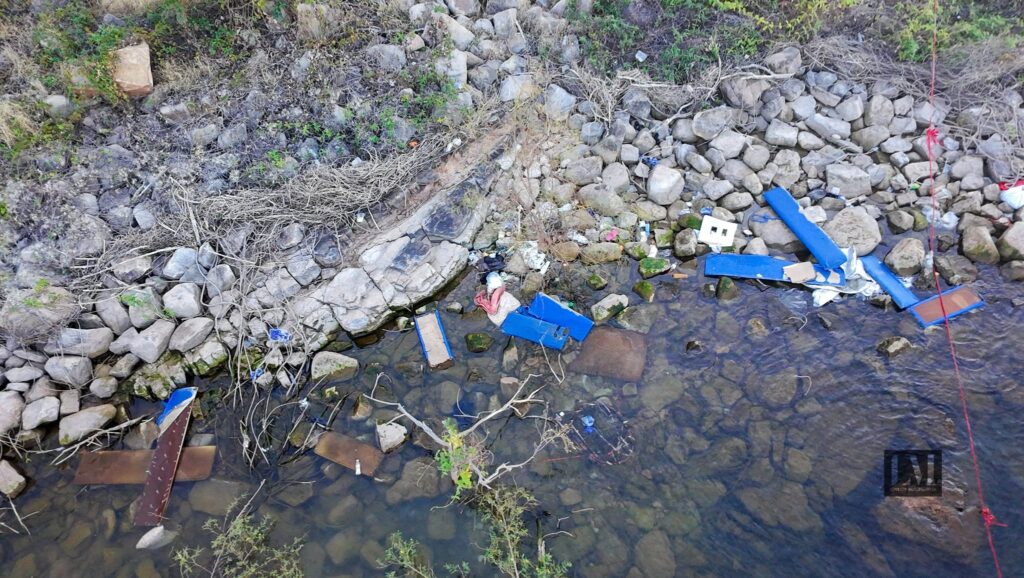
That investigation revealed that engineers had warned that the ageing vessel needed two extra pontoons to stay stable.
The ferry had nearly capsized in December 2024 and ran into trouble again in February this year prompting Kariba legislator Shine Gwangwabato raise safety concerns with RIDA.
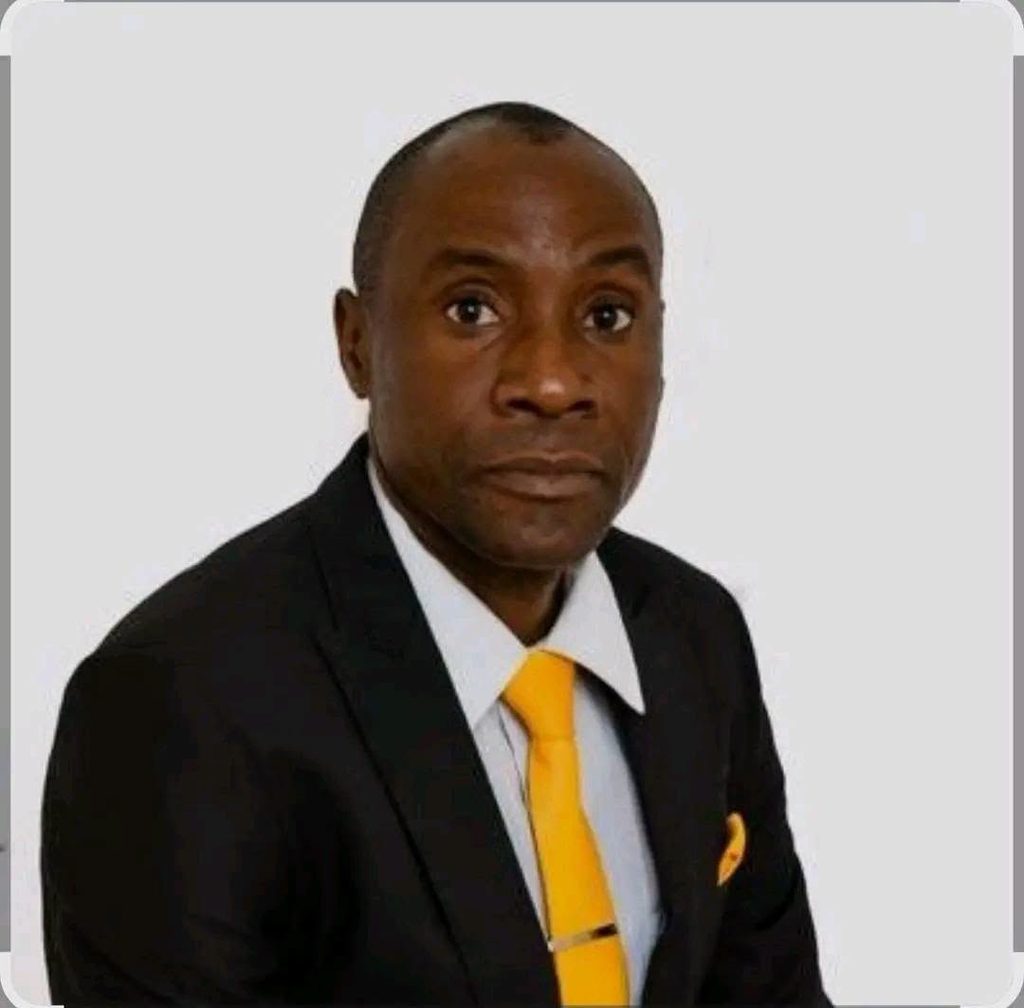
Gwangwaba said he suggested that RIDA provides smaller boats and at least two speedboats so they could rescue people in the event of a disaster.
The internal probe puts the blame on staff at the Kariba station.
Fired over the fare money
Shumba charged Madapandu with misconduct on 4 September. The charge letter said the ferry was overloaded and had sailed in unfavourable weather without a passenger manifest.
It said Madapandu, as the official responsible for administrative oversight, “contributed to the overloading by failing to ensure effective passenger manifesting”.
“The cause of this accident points to weak administrative controls where you received and banked cash that exceeded the normal amount expected for ninety (90) passengers, without raising any alarm regarding possible overloading of the ferry,” Shumba wrote.
On 22 September, Shumba signed off the disciplinary committee’s determination. It found Madapandu guilty on three of four counts. He had failed to enforce passenger manifest as Head of Administration and Human Resources. He had failed to supervise the shipping clerks, accounting assistants and general hands, “which resulted in the overloading of the ferry”. Under his watch there had been “a comprehensive breakdown of administrative protocols”.
He was cleared on the third count, which covered the physical control and steering of the vessel.
“The employer takes a serious view of the misconduct committed by the employee to the extent that it considers it a breach of trust and goes to the root of the employment contract,” the determination reads.
His dismissal took effect from 7 September, the day he was suspended.
Shumba confirmed the case.
“His case was determined by a full disciplinary committee and acting on their recommendations, I instituted his dismissal,” he said.
Madapandu was represented by lawyer Clara Phiri of Phiri and Partners Legal Practitioners.
Phiri said indeed Madapandu was found guilty of misconduct charges laid against him and subsequently dismissed.
“The client has taken note of the dismissal and is currently weighing legal options available to him for a way forward including making an appeal. At this stage we have no instructions from him,” she said.
Madapandu told investigators that his job was to reconcile the passenger and cargo ticket books, prepare deposits and bank the cash. He said the takings that day were normal at US$1,400, compared with US$2,977 from the previous trip. He also revealed that the passenger manifest now in RIDA’s hands was produced from the receipt book after the disaster, on management’s instructions.
Overloading had become a norm – probe finds

Anymore Chambati, a casual security guard, told the probe that he and a general hand counted 153 people on board.
He passed the figure to the captain whom he said radioed the control tower and reported 90 passengers and three crew.
Gombarashama, who was selling tickets that day, said he stopped after receipting 92 passengers and sought guidance.
He claimed the late captain, Sign Patsikadova, obtained verbal approval from the district coordinator to carry up to 120 people.
The probe could not confirm that any approval was ever given.
A stores assistant said he issued more than the usual 300 litres of fuel for the trip.
The investigators concluded that the overloading “could have been anticipated and planned in advance”.
The investigators found that overloading was a norm with survivors and staff telling investigators, it was worse during school holidays.
Lake Captain Adam Nyekete told investigators that his office had raised departure delays with RIDA in the past.
The answer he got was that the RIDA district head (Chiome) was holding the boat back while waiting for more passengers.
Chiome told the committee that he had “dissociated himself from marine operations a long time ago”. He said checking for overloading was the captain’s job. He said he knew nothing about a passenger manifest before the disaster.
Chiome separately faces culpable homicide charges over the disaster and is out on bail.
What the probe never asked
The probe’s terms of reference had five parts. It was to establish what caused the overloading, why passengers were missing from the manifest, what each staff member contributed, whether there was collusion, and whether the ferry was fit to sail and insured.
On the last question, the investigators looked at the certificate of survey and the insurance papers and concluded that the ferry was “technically sound”. An artisan told them the ferry had new engines and that the wave “was the only cause of the disaster”.
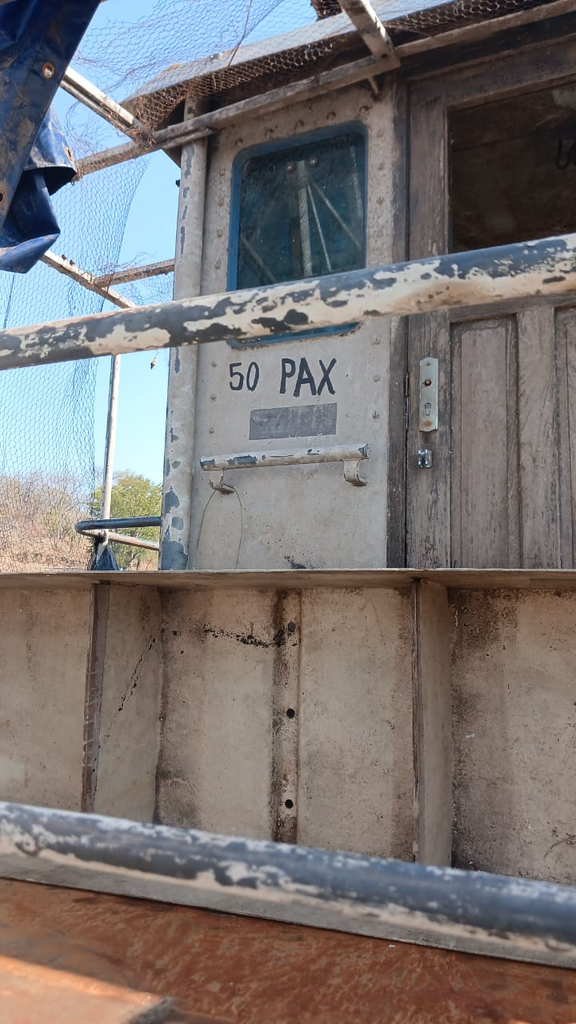
The minutes contain no record of the investigators asking about the letters from KB Engineering. On 16 August, Nyekete confirmed toTransport Minister Felix Mhona that he had received those letters. There is no mention of the wreck being marked “50 PAX” when it was pulled ashore, even though the probe worked on a capacity of 90 passengers. Nor did the probe look at the modifications Pachenafound had made the vessel more dangerous.
Disaster could have been avoided – survivors
Survivors described one engine failing, the engine room flooding and luggage being washed overboard. They said the captain ignored their pleas to dock at the nearest island.
Itayi Marumisa told the probe that most life jackets could not be reached because they lay under 50 bags of cement meant for the Marembera Bridge, which RIDA is building.
Another survivor, Bonface Monga, said some of the jackets were locked in compartments buried under luggage.
Chambati told investigators that the ferry did not have a tender boat, and that “had one been available, more people could likely have been rescued”.
A survivor, Shylet Siaumbeni said the lack of a tender boat delayed the rescue and cost lives “unnecessarily”.
Nyekete told the probe that the rescue was slowed because many boats lacked fuel while divers had to prepare their equipment before commencing the rescue efforts.
In February, Kariba MP Shine Gwangwaba asked RIDA to provide smaller boats and at least two speedboats for emergencies. He later lost 16 relatives in the disaster. Shumba told Pachena last month that RIDA had no legal obligation to carry tender boats.